

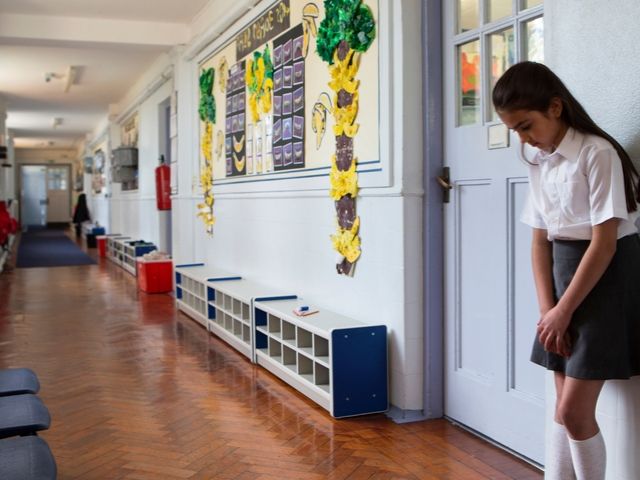
After 10 years of teaching, only one things is for certain when it comes to behaviour management…There is no one strategy that one works for everyone!
In my career, I have used a multitude of techniques to deal with negative behaviours: shouting, discussion, losing time at lunch, losing golden time, classroom removal, break time detentions, planned ignoring, the list goes on.
The only thing I can confirm is no one thing I have done suits every child. Whole school behaviour policies do work for most children, but they must be flexible for the small percentage that struggle.
Obviously I am not talking about some brief shouting out in lessons or strutting about the class for a chat while the teacher is talking.
The behaviour management techniques I apply to these situations follow a great deal of clapping, ‘teacher staring’ and general reminders of our class rules. But when a child displays a much more negative behaviour (lashing out, hurting another, swearing, etc.) you need to ask yourself a few mental questions…
1. Is this a battle? or is the behaviour due to something else?
Not all behaviours need to be dealt with. Take into account the child, their background and home life.
What happened this morning? Are they tired? Are they hungry? Do they just want attention? Will a mild positive distraction work better than being told off? To some children, any interaction is better than no interaction at all.
This is often where I give my pupils who need that little extra attention “busy jobs”, I ask them to do “very important” jobs, like taking something to another teacher (usually a book/craft supplies I have used), watering plants, calling the register. Something that instils a helpfulness element whilst additionally also makes the pupil feel they are getting special attention and responsibility. I find this approach works quite well most of the time.
2. Has the behaviour been instigated by another child?
The behaviour of the pupil could be a result of retaliation to another student. Ask the pupil with the negative behaviour a few questions before administering any consequences. If a disagreement has taken place, you could encourage a discussion between the two students to help resolve any issues and prevent repeat behaviour.
Monitor disruptive friendships where you find negative interactions more frequently, pupils tend to fall out with even their best friends from time to time, this could be causing them some distress, and adding to the negative behaviour. Ensure as always that this is students not agreeing with each other rather than bullying taking place.
3. Does the child have additional needs and is this behaviour due to one of these needs not being met?
Undoubtedly you will not have a class where all students are at the same level in terms of needs and abilities. This is perfectly normal and expected, but should something not happen for or with a student who requires additional needs, has support from one-to-one or a SEND teacher, then you might receive some negative behaviour. If that support system changes or if the support staff move schools/are ill/move to another student/classroom for whatever reason, this may cause some distress to the student which could manifest itself negatively.
4. Am I the right person to deal with this?
Sometimes a little word with a different adult has more impact, than say, a major consequence from your own class teacher. Additionally, if the behaviour becomes more drastic and completely unacceptable you should you be sending the pupil to a senior leader, who may be able to administer more severe consequences than yourself.
And finally….
5. How do you resolve this behaviour without destroying their self-esteem?
Labelling can have a huge impact upon a student, instead of telling them they are “bad, “naughty”, explain that the behaviour they are displaying is “naughty” and that these negative acts are undesirable and hurtful to you and the other students in your class.
It is much more effective to use positive language when speaking to your students, instead of telling them what not to do, explain what positive behaviour you would like them to display, for example, instead of saying “stop Shouting Ellie!” say “Please use your inside voice, Ellie”.
Treating negative behaviour with negative behaviour continuously is never going to create a positive environment for the children to enjoy and develop in.
Yes, we need to deter the negative behaviours in our classrooms, and you will find many ways that work best for your students, as a class and as individuals. But for most of the time, students will have their bad days and may misbehave, all we can do is lead by example, try to listen and understand why the behaviour is happening and use the best strategy available to us at the time. No single teacher I know has a perfectly behaved class 100% of the time.
Tips for TA’s
If you are a TA in a classroom that has disruptive or negatively behaved pupils here are a few tips to help support the student, yourself and the teacher.
Remember to:
- reinforce the teacher’s expectations and behaviour management system
- remind the child – in a positive way – of rules and how you/the teacher would like them to behave
- ensure the child’s understanding of instructions and how to succeed in the task
- redirect the pupil back to the task when their attention wanders; give praise for perseverance
- acknowledge every aspect of good behaviour – make sure the child knows you’ve noticed
- anticipate when a ‘trigger point’ is approaching and step in quickly to avert a negative reaction
- explain the choices that the child can make – and the consequences
Try to avoid:
- making exceptions for the child you are supporting; or ‘taking their side’ when they complain about the teacher
- telling the child what NOT to do
- delaying the start of the independent activity or completing tasks for the child
- being drawn into an irrelevant conversation
- highlighting minor misdemeanours, especially in front of the whole class
- undermining the teacher’s authority
- an escalation of poor behaviour.
Written by one of our guest teachers, “Gracie Lou” who enjoys creative classroom displays, teaching IT and comfy shoes.